In the waste and recycling sector, insurance is often described as “comprehensive.” Policies are in place, premiums are paid, and risks feel accounted for. Yet many operators only truly understand their cover after something goes wrong.
That’s when the questions start:
- Was that material covered?
- Does our policy respond to that type of pollution event?
- Have we described our operations accurately enough?
Illusion of cover
Waste operations are complex, and standard policies don’t always match. Common areas where cover can fall short include:
- Pollution and environmental harm definitions and exclusions
- Waste stream descriptions that don’t fully match day-to-day operations
- Unexpected or undeclared materials within loads
- Operational activities (e.g. haulage, skip hire, subcontracting) that aren’t fully captured
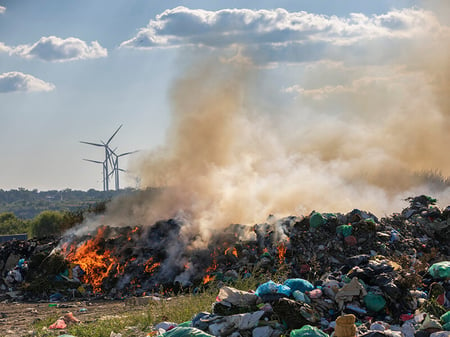
For example, a routine skip load arrives on site, but it contains undisclosed hazardous material. A fire or contamination event follows.
From an operational perspective, this may not be unusual, but from an insurance perspective it can quickly become problematic if the material falls within an excluded category, the incident is linked to “known pollutants” wording, or the risk was not clearly defined in the policy.
This is where the gap between expected cover and actual cover becomes clear.
Why this matters more than ever
The risk landscape in waste is changing, with increased battery-related fire incidents, greater environmental scrutiny and regulation, and more complex mixed waste streams all contributing to a more challenging operating environment.
As operations evolve, policies that were appropriate even 12–24 months ago may no longer reflect current exposures.
Insurance doesn’t stand still but neither do your risks.
What effective Risk Management looks like
Strong protection isn’t just about the policy itself, it’s about how well your operations, documentation, and insurance align.
Key considerations include:
- Clear waste acceptance protocols: Ensuring staff understand what can and cannot be accepted
- Ongoing staff training: Particularly around identifying high-risk materials (e.g. lithium batteries, hazardous contaminants)
- Accurate and up-to-date disclosures: Making sure your insurer understands the full scope of your activities
- Regular policy reviews: Updating cover in line with operational changes, not just at renewal
These steps don’t remove risk, but they significantly reduce the likelihood of disputes or gaps at the point of claim.
A More Practical Approach to Cover
One of the most effective ways to strengthen your position is to move beyond generic policy assumptions and instead focus on how your specific business operates.
In practice, this means:
-
Reviewing policy wordings against real-world scenarios
-
Stress-testing how your cover would respond to common industry incidents
-
Identifying areas were exclusions, conditions, or definitions could create uncertainty
The goal isn’t simply broader cover it’s clearer, more predictable outcomes when you need them most.
The Key Question to Ask
Rather than asking, “Do we have insurance?”, a more useful question is whether your policy would respond to the incidents you’re most likely to face. If the answer isn’t clear, it’s worth taking the time to find out before you need to rely on it.
For many operators, a structured review of their existing policy can provide valuable clarity. It can help identify potential gaps, confirm whether current activities are fully reflected, and test how the policy would respond in a real claim scenario. Understanding these points in advance can help avoid delays, disputes, and unexpected costs later.
We are here to help
If you would like to better understand how your current policy aligns with your operations, an early conversation with our Waste, Recycling and Reuse team can help identify potential gaps, clarify cover, and support a more confident approach to risk management from the outset.
Contact us today to find out more.