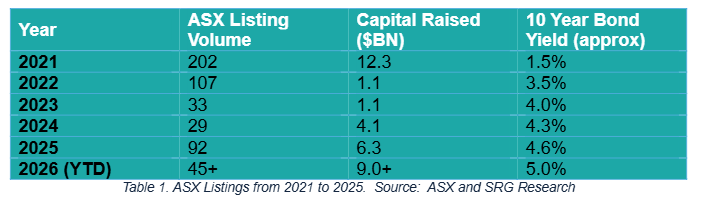
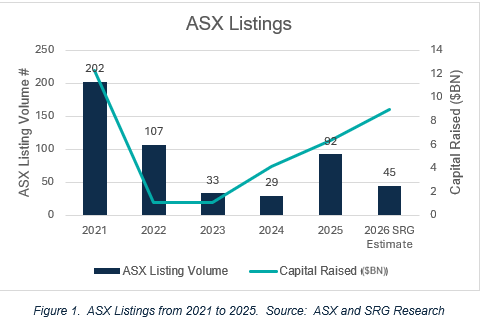
What separates floats that close from those that don’t
In a market that gets nervous every March, preparation is not a nice-to-have it is the only variable a CFO fully controls. Three disciplines consistently define the floats that get away.
- Always have a private buyer in the room: The IPO window can close quickly – global volatility, a softening market in May, a Federal Budget that resets sentiment. Private equity vendors running dual-track processes, keeping a trade or financial buyer ready alongside the ASX path, protect against the deal collapsing rather than just being delayed.
- Governance is a pricing tool not a compliance exercise: In a crowded pipeline the business with the most well organised financials and board structure wins the fund manager’s attention first. Clean information is a competitive advantage.
- Tell a story that can’t be replicated: Institutional investors are rotating out of concentrated top 20 positions. They are looking for genuine growth credentials not another deal that reads the same as the last three on their desk. The CFO’s job is to make that case not just present numbers.
The risk architecture behind every successful float
By the time your first non-deal roadshow meeting happens, your insurance program should already be set. An IPO changes your risk profile the moment the ticker goes live and the decisions made in the weeks before that date are the ones that matter.
- Prospectus Liability
Under the Corporations Act, the bar for misleading and deceptive conduct is high. A dedicated policy ring-fences the specific risks of the float, ensuring that if a shareholder class action arises from the prospectus it does not exhaust the company’s ongoing Directors and Officers limits. These are separate risks and must be treated as such.
- High-profile backing raises your exposure
Strategic investment at scale, as seen in Nvidia’s pre-IPO commitment to Firmus, increases your target profile significantly. Institutional investors now treat insurance due diligence as a prerequisite not an afterthought. They want evidence of a program built for the complexity of the deal and not a standard automated policy.
- Australian Securities and Investments Commission (ASIC) disclosure scrutiny is tightening
The room for error in prospectus disclosure is narrowing. ASIC’s current enforcement posture means that gaps which may have been tolerated in a softer regulatory environment are now being pursued. A well constructed insurance program gives management the confidence to focus on investor relations during the volatile lead-up to bookbuild rather than managing exposure that should have been addressed months earlier.
Preparation is the advantage
The 2026 market will reward the CFOs who did the hard work before the window opened, not those who scrambled once it did. Getting the risk management, governance and the insurance program set are not tasks for the final weeks of preparation. They are the foundation the rest is built on.
At SRG that is the work we do – not after the mandate is signed but long before it.
“The success of Koala and the scale of the Firmus pipeline prove that Australian institutional capital is hungry for genuine technical excellence. But in a 5% yield environment, you can’t just talk. You have to be exit ready long before the window opens.” Nathan Mauriello, Partner, SRG Australia
Is your business exit ready before the window opens?
- Source: ASX data. https://www.asx.com.au/markets/company/KOA
 Our LeadersIntroducing the people driving our company's success, get to know more about their backgrounds, expertise and roles within the company.
 Our TimelineWhere did it all begin? SRG was launched in 2019, but the story didn’t begin there!
 PlatformAll teams and businesses are supported by the SRG Platform, which is a system of specialist teams that help shape our processes and best practice.
 About Us
 Training and DevelopmentWe have a reputation for longevity when it comes to upskilling our colleagues. Here are just a few of our initiatives that have helped them take the next step in their careers.
 CareersReady to take the next step and join us on our journey? Find career opportunities and information about what it’s like to work as part of the team.
 Social GalleryWe talk a lot about building a company we’re proud to tell our family and friends about, but don’t take our word for it! Dive into the world of SRG and discover the colleagues making that idea a reality.
 Acquisition NewsFind out more about the brilliant and inspiring specialist companies joining our journey as it happens.
 Colleague FocusWhat is working in insurance really like? Hear the career stories of our valued colleagues and their views on this evolving industry.
 Press ReleasesKeep up to date with all of our important announcements including new leadership appointments and key milestones.