The hidden opportunity cost of complacency: Why long-term agreements might be costing you more than they save
Is your Long-Term Agreement (LTA) saving you money, or just saving your broker the discomfort of going back to market?
In an Australian insurance landscape defined by shifting cycles, predictability is a rare and valuable commodity. That’s why the LTA promising multi-year stability and pre-agreed rate reductions remains a core retention tool for many global broking firms.
For a Chief Financial Officer CFO focused on cost control, that fixed annual reduction looks like prudent financial management. It delivers immediate savings and eliminates renewal friction. However, as significant parts of the Australian market begin to soften, a closer look reveals a critical flaw: an LTA creates a floor for stability, but also a ceiling on potential savings.
The mathematics of a softening market: The cost of a fixed rate in a moving market
For example, if an incumbent broker proposes a multi-year reduction locked in today, they are anchoring your business to a specific financial outcome. In the current softening trend we are seeing across various Australian insurance classes, market dynamics, increased capacity, and new entrants can drive standard rates down by significantly more than a pre-agreed “discount.”
As an example, if the market drops by 25% but you are locked into a 10% reduction, that 15% gap becomes a measurable “complacency tax.” You would be paying more for the same coverage simply because the competitive process was bypassed for the sake of convenience.
The danger of a single metric
The greatest risk of an LTA isn’t the rate, it’s what happens to service once the financial outcome is already decided. When there’s no renewal to compete for, the commercial pressure that drives proactive advice, claims advocacy, and regular risk reviews quietly disappears. The incentive to “earn” your business each year is replaced by the incentive to maintain it at minimum cost.
The three hidden drivers of LTA structures
When an LTA is presented, it is essential to ask: who does this agreement truly serve?
- Broker defensibility: For an incumbent, an LTA is a powerful retention tool. It eliminates the annual “threat” of market testing and secures a guaranteed revenue stream. Ask yourself: when did your broker last come to you with an unsolicited market update or a reason to renegotiate?
- Insurer portfolio stability: For an insurer, it locks in premium volume in a competitive market, preventing you from migrating to competitors offering sharper rates.
- Service stagnation: When the financial outcome is already decided, the drive to find the “best deal” for the client is diminished. A simple test: compare the responsiveness and proactivity you received in the year your broker was competing for your business versus the year after they won it.
The specialist’s imperative: forced market competition
At Specialist Risk Group, we maintain that the primary role of a broker is to act as an uncompromised advocate for the client’s financial and operational interests. This mandate is difficult to fulfil when locked into a long-term contract that removes the primary mechanism for value discovery: competitive market pressure.
In practice, this means going to market at every renewal, presenting your risk to the full range of capable insurers, not just the incumbent. It means using competitive tension as a tool, not just a threat.
True certainty only comes from knowing your risk has been actively placed against the entire capable market.
In a softening market, the optimised strategy is not complacency, but proactivity. We believe in forcing insurers to compete, ensuring that our clients are always the beneficiaries of the “true” market rate and the highest standard of service not just a convenient approximation
When did you last ask your broker to prove it?
 Our LeadersIntroducing the people driving our company's success, get to know more about their backgrounds, expertise and roles within the company.
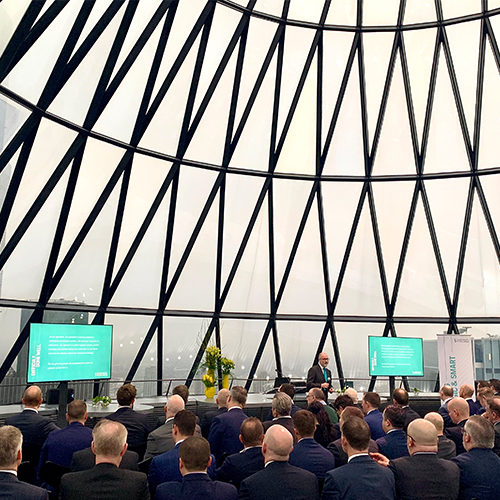 Our TimelineWhere did it all begin? SRG was launched in 2019, but the story didn’t begin there!
 PlatformAll teams and businesses are supported by the SRG Platform, which is a system of specialist teams that help shape our processes and best practice.
 About Us
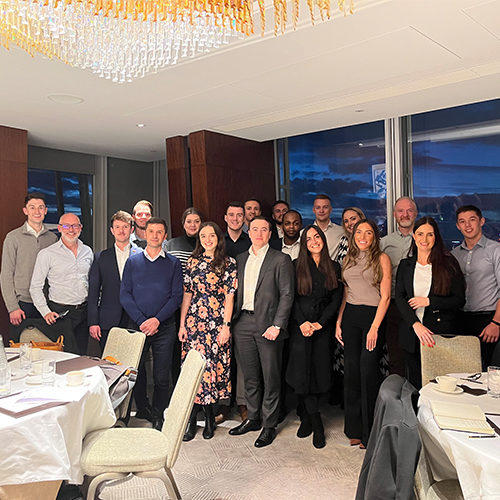 Training and DevelopmentWe have a reputation for longevity when it comes to upskilling our colleagues. Here are just a few of our initiatives that have helped them take the next step in their careers.
 CareersReady to take the next step and join us on our journey? Find career opportunities and information about what it’s like to work as part of the team.
 Social GalleryWe talk a lot about building a company we’re proud to tell our family and friends about, but don’t take our word for it! Dive into the world of SRG and discover the colleagues making that idea a reality.
 Acquisition NewsFind out more about the brilliant and inspiring specialist companies joining our journey as it happens.
 Colleague FocusWhat is working in insurance really like? Hear the career stories of our valued colleagues and their views on this evolving industry.
 Press ReleasesKeep up to date with all of our important announcements including new leadership appointments and key milestones.