Previously considered low risk, historic Mineral Rights reservations are now being scrutinised more closely and enforced with increasing frequency. In many recent cases, this has led to outright ransom situations, with beneficiaries using their position to demand significant payments to unlock land for development.
For developers, lenders and advisers, the challenge is no longer simply identifying mineral rights. It’s understanding how to manage them strategically and, crucially, how to secure insurance in a market that has changed significantly in a short period of time.
The background
The Mineral Rights issues we deal with today are largely rooted in how land was transferred during the late 19th and early 20th centuries. It was common practice for landowners – particularly large estates – to sell off land while retaining ownership of anything beneath it, whether valuable minerals or more common substances. These rights were preserved through exceptions and reservations written into historic conveyances.
That position continued following the major reforms introduced by the Law of Property Act 1922, which modernised land ownership and abolished copyhold tenure from 1st January 1926. Historic mineral reservations were preserved and continued to bind land, meaning ownership of the surface and the minerals beneath it could remain severed indefinitely¹.
Over time, some of these mineral interests have been registered separately from the surface title; sites where we see this are perceived as particularly high risk by insurers.
The market shift
For many years, legal indemnity insurers were able to provide terms for most mineral rights risks on a standard ‘wait and see’ basis, providing a full risk transfer for a standard premium. For some historic reservations, particularly where beneficiaries are unclear and there has been no historic activity, this approach can still be available.
However, the placement of Mineral Rights indemnity insurance has become increasingly difficult following several high-profile cases and significant claims. Examples of such cases include ARC Aggregates Ltd v Branston Properties Ltd (2020)², which highlighted the significant risks when an aggregate company holds mineral ownership, and Wynne-Finch v Natural Resources Body for Wales (2021)³, which, despite Wynne-Finch’s loss, underscored to many estate owners the potential value of minerals.
As a result, many insurers have withdrawn from the market entirely, increased premiums substantially, or imposed significant deductibles – sometimes with limited commercial rationale.
Where are we now?
As more claims emerge, clear patterns are developing in how different mineral owners behave.
Some beneficiaries – particularly on residential schemes – are reportedly demanding thousands of pounds per plot, while one aggregate company has entered negotiations seeking up to 50% of development profit. Unsurprisingly, demands of this scale can have a major impact on a scheme’s viability.
Aggregate companies and mineral owners are increasingly monitoring local plan allocations and planning portals to identify development opportunities at an early stage. This is no longer a theoretical risk; it’s a real and significant financial consideration for developers.
For that reason, we recommend that insurance terms are explored at the viability stage. This allows us to work with developers and their advisers to establish a strategy for managing the site’s mineral ownership, supported by a robust and flexible policy.
A market where certainty matters
The UK residential development market is beginning to emerge from a period of subdued activity and elevated borrowing costs, with cautious recovery being driven by planning reform and improving construction forecasts.
While planning reforms may accelerate decision-making for certain schemes, viability pressures on complex sites remain acute. In this environment, speed, certainty and risk management will increasingly differentiate successful developers when competing for prime opportunities.
Speak to a specialist
The rights themselves may be historic, but the way we handle them doesn’t have to be. Over recent years, we have worked with insurers to develop processes capable of securing cover for sites where the mineral owner is both known and active; including situations where the beneficiary has already approached the client asserting rights
To find out more about how we can help protect mineral rights risks, get in touch with a member with Lucy Fermor – lfermor@specilaistrisk.com
Please note, insurance solutions are subject to underwriting and may not cover all risks or costs associated with mineral rights. Clients should consider legal, valuation and insurance advice in parallel.
 Our LeadersIntroducing the people driving our company's success, get to know more about their backgrounds, expertise and roles within the company.
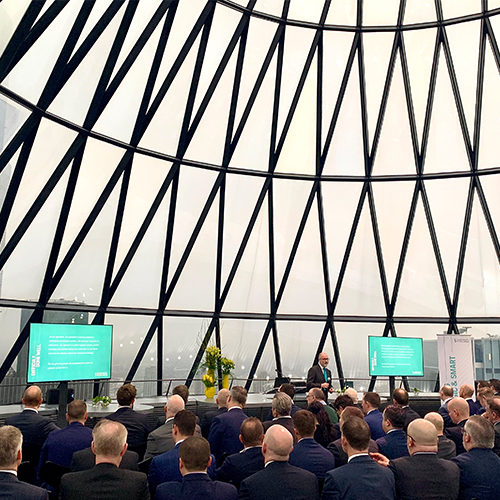 Our TimelineWhere did it all begin? SRG was launched in 2019, but the story didn’t begin there!
 PlatformAll teams and businesses are supported by the SRG Platform, which is a system of specialist teams that help shape our processes and best practice.
 About Us
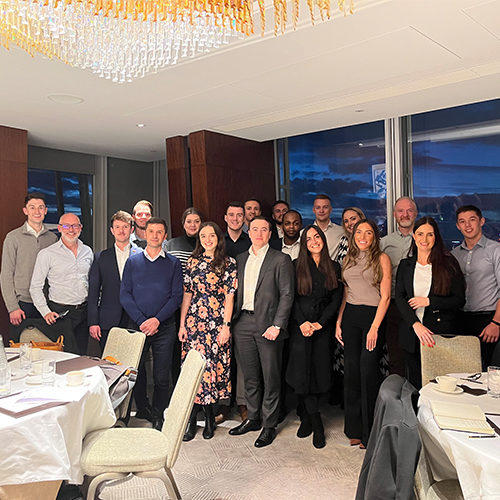 Training and DevelopmentWe have a reputation for longevity when it comes to upskilling our colleagues. Here are just a few of our initiatives that have helped them take the next step in their careers.
 CareersReady to take the next step and join us on our journey? Find career opportunities and information about what it’s like to work as part of the team.
 Social GalleryWe talk a lot about building a company we’re proud to tell our family and friends about, but don’t take our word for it! Dive into the world of SRG and discover the colleagues making that idea a reality.
 Acquisition NewsFind out more about the brilliant and inspiring specialist companies joining our journey as it happens.
 Colleague FocusWhat is working in insurance really like? Hear the career stories of our valued colleagues and their views on this evolving industry.
 Press ReleasesKeep up to date with all of our important announcements including new leadership appointments and key milestones.