We support sporting organisations, operators and venues with expert, discipline-specific insurance advise and tailored risk solutions.
Specialist Risk Group (SRG) brings deep experience across sporting activity, venue operations and event risk. We work with clubs, operators and venue teams to understand participant exposure, safeguarding responsibilities and operational complexity, and structure insurance programs aligned to the realities of sport and leisure environments.
Sport and leisure organisations face a mix of participant safety, venue management, event delivery and governance risks. Injuries, crowd incidents, equipment failure or operational disruption can create significant financial and reputational impact. As facilities grow, events scale or participation increases, having specialist insurance in place is essential to support duty-of-care obligations, protect stakeholders and maintain continuity across seasons and activities.
Injuries, accidents, incidents arising from organised sport, fitness and leisure activities.
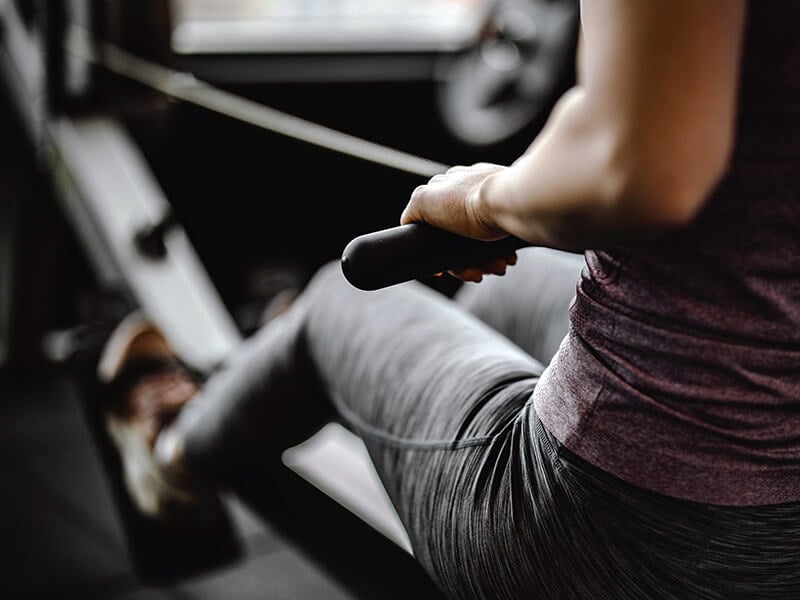
Risks to property and equipment owned by sports facilities, gyms, arenas, including playing surfaces, equipment and specialist infrastructure.
Crowd incidents, contractor risks, setup/pack-down hazards, cancellations and large-scale activities.
Risks linked to coaching, training, instruction, assessment and professional sports services.
Risks faced by directors and officers, committee members, boards and executives overseeing clubs, leagues and sporting organisations.
We support a range of sport, fitness, and leisure operators. We can arrange coverage for organisations including:
Our approach is designed for the specific risks facing your sport or leisure organisation. We commonly arrange the following protection.

Coverage for injuries or property damage to participants, spectators or the public during sporting, fitness or leisure activities.

Protection for injuries sustained by registered participants during organised events, training or recreational activities.
Coverage for coaches, trainers, instructors and sports professionals for errors in teaching, assessment, advice or supervision.
Protection for boards, committees and executives from claims related to governance decisions, mismanagement or regulatory actions.
Coverage for buildings, grounds, sports surfaces, fitness equipment, scoreboards and specialist infrastructure against damage or loss.
Protects revenue and operational costs when a facility or venue cannot operate due to insured physical damage.
Coverage for injury, damage, contractor issues or crowd incidents connected to sporting or leisure events.
Protection against financial loss due to cancelled or postponed events caused by weather, venue issues or other insured disruptions.
Coverage for organisations handling member data, online bookings or digital fitness platforms against breaches and cyber incidents.
Bundled protection for governance, employment practices and crime exposures for clubs and associations.
Coverage against the sudden failure of essential equipment such as gym machinery, pool systems, lighting, refrigeration or scoring systems.
Insurance protection for sports equipment, mobile gear or event infrastructure while being transported or stored off-site.
Most sport and leisure organisations require Public Liability, Participant Liability, and Professional Indemnity, with additional cover such as Property, D&O, Event Cancellation or Cyber depending on activities, facilities, and governance structure.
Gyms and studios commonly require Public Liability, Professional Indemnity for instruction, Property and Equipment cover, and often Equipment Breakdown for critical systems and machinery.
Event insurance can include Event Liability, Event Cancellation, Property, and contractor-related cover, structured around crowd size, activities, venue type and duration.
The underlying principles are similar, but professional sport typically involves higher limits, contractual obligations, broadcast exposure and more complex governance considerations.
Key factors include activity type, injury history, participant numbers, venue condition, safeguarding practices, event scale and governance controls.
Public Liability typically covers third-party injury claims. Injuries to registered participants often require Participant Liability or Personal Accident cover, depending on the activity and insurer wording.
Yes. Professional Indemnity protects coaches, trainers and instructors against claims alleging poor instruction, inadequate supervision, incorrect advice or assessment errors.
Event Cancellation insurance can respond to financial losses caused by insured disruptions such as severe weather, venue failure, or key supplier non-performance.
Volunteers can be covered under Public Liability and, in some cases, Personal Accident policies, but this depends on policy structure and must be confirmed at placement.
Yes. Community and grassroots clubs still owe a duty of care to participants, volunteers and spectators, and can face significant liability claims even when activities are informal or volunteer-led.
Directors & Officers (D&O) insurance protects board members, committee officers and executives from claims arising from governance decisions, compliance failures or alleged mismanagement.
Insurance can support safeguarding exposures through liability and D&O cover, but organisations must also demonstrate appropriate policies, training and controls to meet insurer expectations.
Yes. Many organisations hold member data, payment details and booking systems, making them exposed to cyber incidents, data breaches and system outages.
You can easily contact us by filling out the form. Once you have submitted your enquiry, one of our friendly colleagues will reach out to you.
Most sport and leisure organisations require Public Liability, Participant Liability, and Professional Indemnity, with additional cover such as Property, D&O, Event Cancellation or Cyber depending on activities, facilities, and governance structure.
Public Liability typically covers third-party injury claims. Injuries to registered participants often require Participant Liability or Personal Accident cover, depending on the activity and insurer wording.
Yes. Community and grassroots clubs still owe a duty of care to participants, volunteers and spectators, and can face significant liability claims even when activities are informal or volunteer-led.
Gyms and studios commonly require Public Liability, Professional Indemnity for instruction, Property and Equipment cover, and often Equipment Breakdown for critical systems and machinery.
Yes. Professional Indemnity protects coaches, trainers and instructors against claims alleging poor instruction, inadequate supervision, incorrect advice or assessment errors.
Event insurance can include Event Liability, Event Cancellation, Property, and contractor-related cover, structured around crowd size, activities, venue type and duration.
Directors & Officers (D&O) insurance protects board members, committee officers and executives from claims arising from governance decisions, compliance failures or alleged mismanagement.
Event Cancellation insurance can respond to financial losses caused by insured disruptions such as severe weather, venue failure, or key supplier non-performance.
Volunteers can be covered under Public Liability and, in some cases, Personal Accident policies, but this depends on policy structure and must be confirmed at placement.
Insurance can support safeguarding exposures through liability and D&O cover, but organisations must also demonstrate appropriate policies, training and controls to meet insurer expectations.
Yes. Many organisations hold member data, payment details and booking systems, making them exposed to cyber incidents, data breaches and system outages.
The underlying principles are similar, but professional sport typically involves higher limits, contractual obligations, broadcast exposure and more complex governance considerations.
Key factors include activity type, injury history, participant numbers, venue condition, safeguarding practices, event scale and governance controls.