Supporting construction and infrastructure businesses with bespoke insurance solutions to protect operators from diverse exposures inherent in construction activity and large-scale asset development.
Construction and infrastructure projects demand specialised insurance due to their scale, complexity, and contractual structures. With exposure to physical, financial, and operational risks, operators in these sectors require tailored insurance programs suited to specific needs.
Specialist Risk Group (SRG) supports construction companies at every stage, from contractors and engineers to project managers, asset owners, and infrastructure investors. As a specialist insurance broker, our role is to help clients navigate the complex insurance arrangements imposed by principal contracts, financiers, joint-ventures, and government authorities.
Construction and infrastructure projects operate under constant pressure from tight delivery schedules, complex contractual frameworks and high-value physical assets. Multiple contractors, evolving regulations, environmental sensitivities and public exposure increase the likelihood of accidents, disputes and financial loss. Even minor incidents can escalate quickly, impacting project timelines, budgets and stakeholder confidence.
Risk of physical loss or damage to works in progress, materials, temporary structures and partially completed assets.
Injury to workers or members of the public, damage to neighbouring property and incidents involving subcontractors or site visitors.
Damage, breakdown or loss of owned or hired plant, mobile machinery and specialist construction equipment.
Errors, omissions or design defects arising from engineering, planning, certification or advisory services.
Complex contractual obligations, joint ventures, principal-imposed requirements and project-specific liabilities.
Delays caused by insured events, material damage or equipment failure impacting completion dates and revenue.
Pollution incidents, contamination, site disturbance and remediation obligations arising during construction activity.
Safety breaches, workplace incidents, employment disputes and regulatory investigations.
Risks associated with land acquisition, planning approvals, development viability and large-scale asset delivery.
We arrange cover across the construction, engineering and infrastructure industries, with specialist expertise across the following:
Risk of physical loss or damage to works in progress, materials, temporary structures and partially completed assets.

Injury to workers or members of the public, damage to neighbouring property and incidents involving subcontractors or site visitors.
Damage, breakdown or loss of owned or hired plant, mobile machinery and specialist construction equipment.
Errors, omissions or design defects arising from engineering, planning, certification or advisory services.
Complex contractual obligations, joint ventures, principal-imposed requirements and project-specific liabilities.
Delays caused by insured events, material damage or equipment failure impacting completion dates and revenue.
Pollution incidents, contamination, site disturbance and remediation obligations arising during construction activity.
Safety breaches, workplace incidents, employment disputes and regulatory investigations.
Risks associated with land acquisition, planning approvals, development viability and large-scale asset delivery.
Construction and infrastructure projects involve high-value assets, complex contracts, multiple stakeholders and evolving site risks. Standard business insurance does not respond adequately to contract works, principal-imposed insurance clauses, joint venture structures or project-specific liabilities.
Most construction contracts require a combination of Contract Works, Public and Product Liability, Workers Compensation, Professional Indemnity, and Plant insurance. Infrastructure and government projects may also mandate Delay in Start-Up, Environmental Liability or Project-Specific covers.
Contract Works insurance covers physical loss or damage to works in progress, materials and temporary structures during construction. Without it, contractors may be contractually responsible for reinstatement costs following fire, storm, theft or accidental damage.
Infrastructure projects often involve longer timeframes, higher values, public exposure and regulatory oversight. Insurance programs must reflect these factors, including government requirements, financier expectations and operational complexity.
Public and Products Liability and Workers Compensation insurance can respond to injury or property damage claims involving workers, subcontractors, visitors or neighbouring property, subject to policy terms and contractual indemnities.
Physical construction policies do not cover design errors. Professional Indemnity insurance is required for design, engineering, certification and advisory services, including design-and-construct responsibilities.
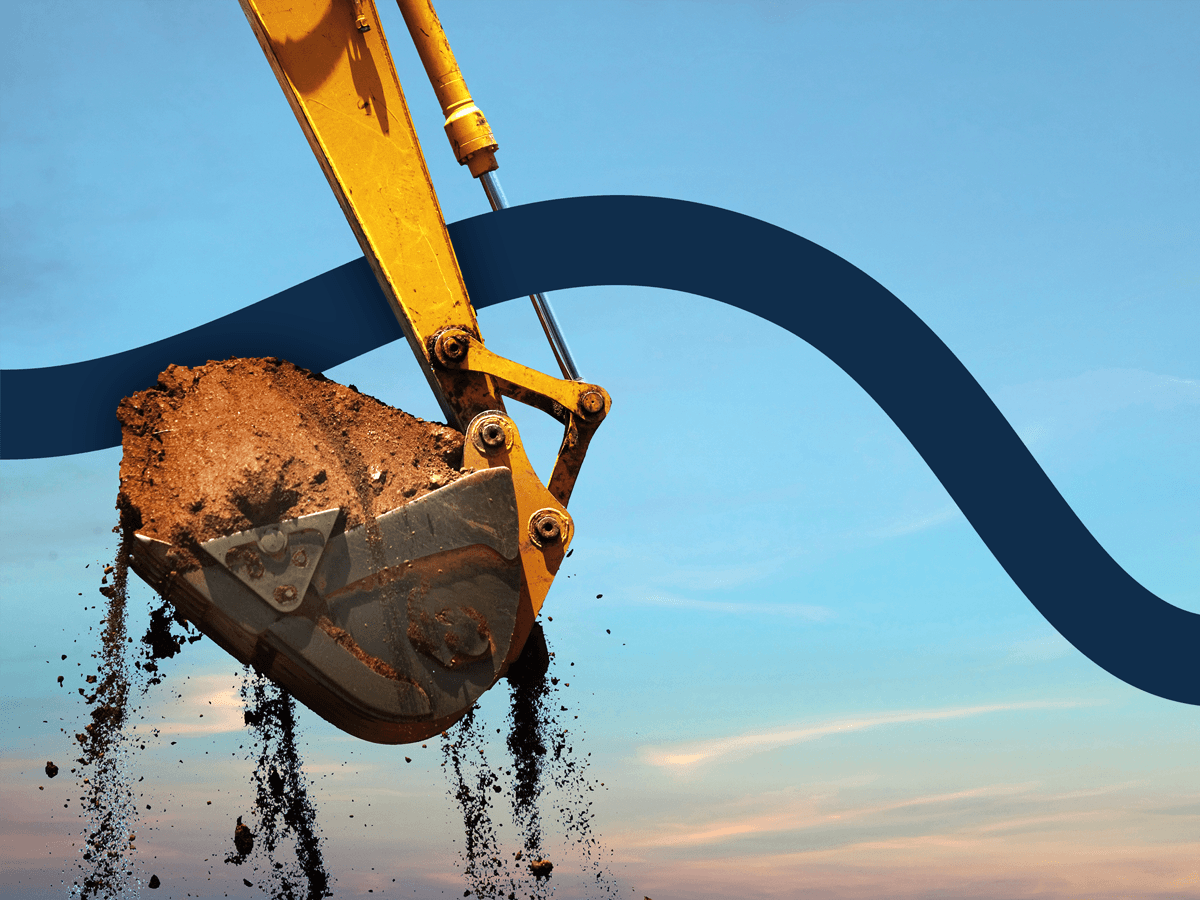
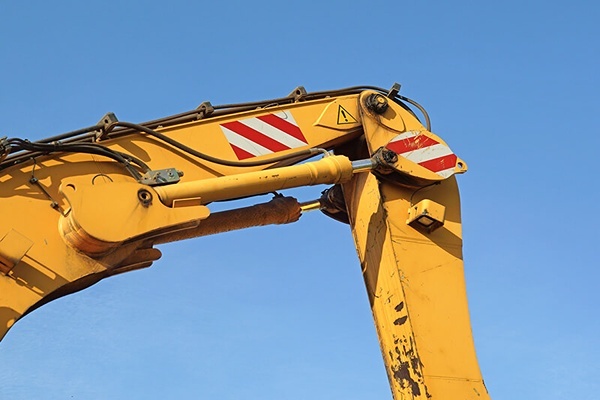
Plant and Machinery insurance covers loss, damage or breakdown of owned or hired equipment, including excavators, cranes and specialist machinery. Hire agreements often impose strict insurance obligations on contractors.
Yes. Delay in Start-Up or Contract Delay insurance can cover financial loss arising from insured damage that delays project completion, subject to policy structure and trigger events.
Environmental Liability insurance can respond to pollution incidents, contamination, remediation costs and third-party claims arising during construction, where such risks are excluded under standard liability policies.
Cyber incidents can disrupt project management systems, payment processes, design data and supply chains. Cyber insurance helps protect against ransomware, data breaches and operational disruption.
Responsibility depends on contract terms. Some projects place insurance obligations on the principal, others on the contractor, and many require shared or project-wide policies. Misalignment can lead to uninsured gaps or contractual breaches.
Joint ventures require careful structuring to ensure all parties are correctly insured, liabilities are aligned to contractual risk allocation, and policy limits respond appropriately across multiple stakeholders.
Failure to comply can result in breach of contract, withheld payments, termination rights or uninsured exposure. Insurance should be reviewed against contractual agreements before work commences.
Insurance should be reviewed at tender stage, contract award, project commencement, scope changes, variations and renewal. Changes in value, design responsibility or delivery method can materially affect coverage.
You can easily contact us by filling out the form. Once you have submitted your enquiry, one of our friendly colleagues will reach out to you.